

Know the red flags and how to choose the right tax preparer for you.
In California, only CPAs and their employees, attorneys with the State Bar of California, tax preparers registered with CTEC, or enrolled agents with the IRS can prepare tax returns for a fee. All professionals should willingly provide proof of their license, enrollment, or registration. CTEC registrants are required to have their certificate in a visible location.
Reasonable fees vary, but the cost of the tax preparation should never be based on the refund amount. It should be based on the complexity of your tax return.
Don’t be shy. Filing your tax return is the most important financial transaction you do each year. It is important you feel comfortable with the professional you hire.
Legitimate tax preparers will be available for clients year-round.
Refunds should go directly to you. Beware of tax preparers who claim refunds should go to their bank account instead of yours.
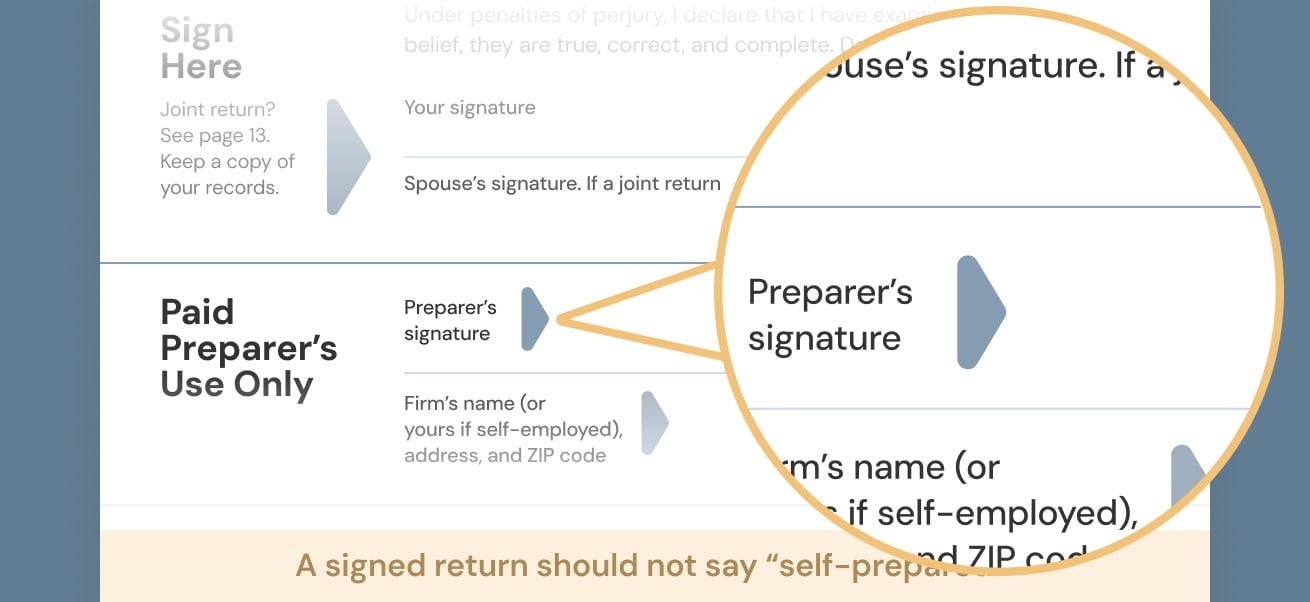
The answer should always be YES. Paid tax preparers are also required to obtain an IRS Preparer Tax Identification Number (PTIN) and include it on all tax returns they prepare for clients. Tax preparers who sign tax returns with a business label should also be questioned. A signature (typed or handwritten) and PTIN is required. Business labels do not meet federal or state standards.
Do you need to file a complaint about a Tax Preparer?
Generally speaking, certified public accountants (CPAs) and those employed by them, attorneys, IRS enrolled agents (EAs), and CTEC-registered tax preparers (CRTPs).
Taxpayers should verify a tax preparer’s credentials before allowing someone to prepare their tax return. Because registrations and licenses can expire, be suspended, or revoked, it is a good practice to verify credentials each tax season.
In California, taxpayers can verify different types of tax preparers through the appropriate regulatory agencies:
Taxpayers may also want to review any publicly available disciplinary history before working with a preparer. Verifying a preparer’s credentials can help confirm that the individual is authorized to prepare tax returns for a fee and is meeting California registration and licensing requirements.
To verify a tax preparer’s credentials, taxpayers should try to obtain the preparer’s full name, business name, credential type, and, if available, their license, registration, or identification number. Having this information can help ensure accurate search results when using verification tools.
Different types of tax preparers in California can be verified through different agencies:
Taxpayers should also confirm that the preparer’s registration or license is active and review any publicly available disciplinary history before working with a tax professional.
Hiring an unqualified tax preparer will increase your chances for tax fraud, penalties, and additional taxes.
No. All reports submitted to the California Franchise Tax Board (FTB) through the CTEC website are kept confidential. Taxpayers will not get in trouble for what is submitted in the complaint.
Unregistered tax preparers can be reported here. All reports go directly to the California Franchise Tax Board (FTB).
No. The CTEC Verify a Tax Preparer tool only provides information for tax preparers who are registered with the California Tax Education Council (CTEC). It does not verify tax preparers licensed or registered in other states.
Tax preparers operating outside of California may be regulated through different state agencies, licensing boards, or federal programs. Taxpayers seeking to verify an out-of-state preparer should contact that state’s appropriate regulatory agency or use applicable IRS verification resources.